
Withstands high heat: 200°C for 1 hour — designed to endure the instant thermal shock of industrial flooring.
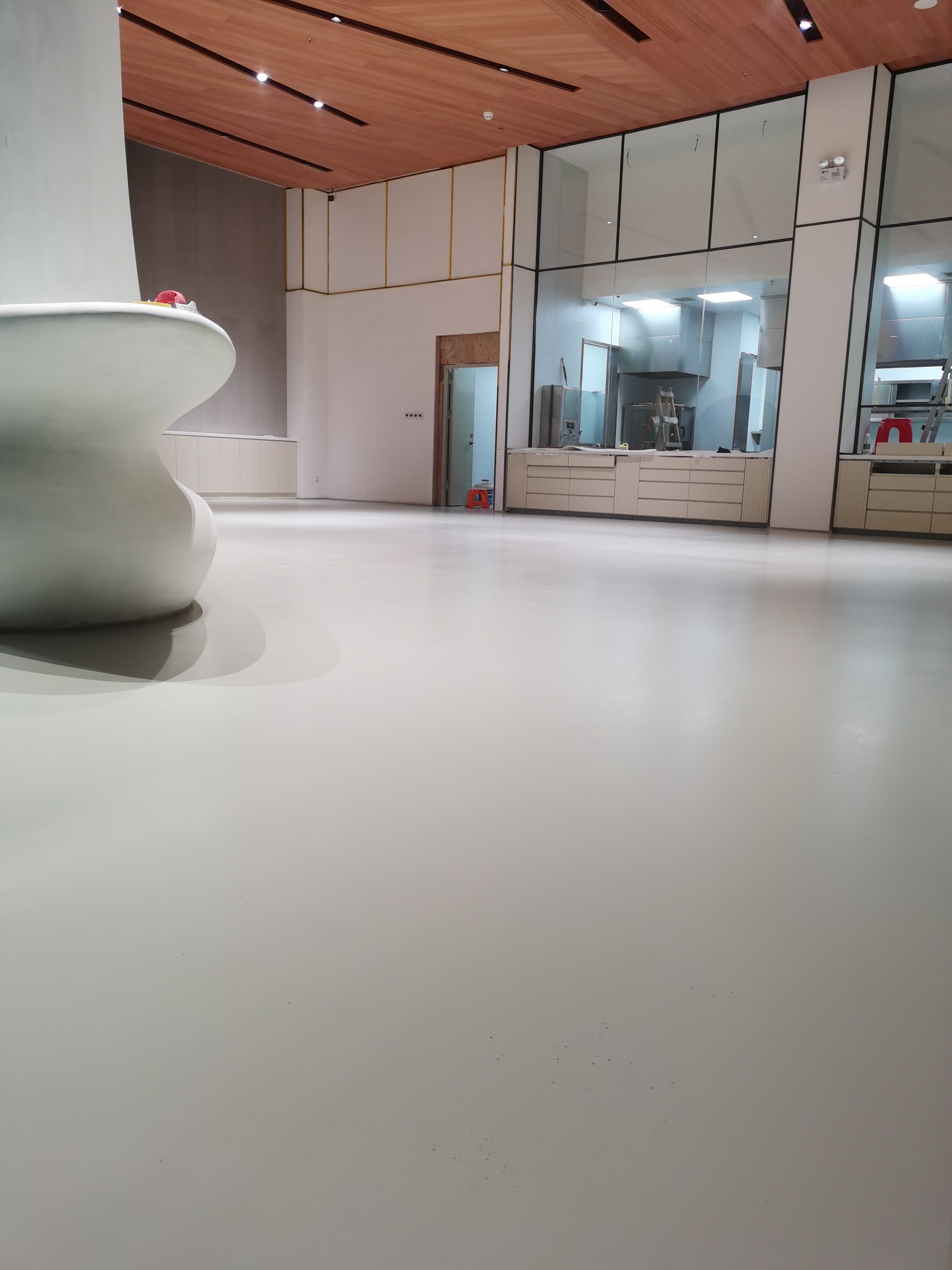
Factory floors often face high-temperature objects falling or hot workpieces contacting the surface. Standard colored floor coatings tend to blister and crack under such heat. CS-2000 floor colorant has passed aging tests at the Guangzhou Aging Research Institute, showing no blistering, wrinkling, or cracking after 1 hour at 200°C. It significantly enhances the floor's resistance to sudden high-temperature conditions.
Heat resistant to 200°C for 1h: withstands instantaneous high temperatures on industrial flooring.
Summary: Factory workshops frequently encounter falling hot objects and contact with hot workpieces. Standard colored floor coatings tend to blister or crack when exposed to high temperatures. CS-2000 Floor Colorant has been tested by the Guangzhou Aging Institute,No blistering, wrinkling, or cracking after 200°C heat resistance test for 1h.Enhances the floor's tolerance to instantaneous high-temperature conditions.
Industrial flooring: Real-world pain points caused by high temperatures
Workshops in machining, heat treatment, auto repair, and food processing frequently face sudden high-temperature exposure: dropped hot workpieces, temporarily placed炽热 metal parts, hot tools contacting the floor, and hot tires rolling over.
Many standard colored pavement surfaces encounter issues under high temperatures:
👉 Short-term exposure to heat causes bubbles and blisters on the coating surface, directly compromising the floor's finish integrity.
👉 After exposure to heat, the paint film wrinkles and cracks. Moisture and heat then penetrate inward, causing further peeling and flaking.
👉 Localized high-temperature damage creates weak points where sewage and oil can penetrate, causing the damage to spread. This eventually requires localized chipping and repair, significantly increasing maintenance costs.
Special note:Refers to short-term high-temperature tolerance, not long-term continuous use at 200°C.Most standard epoxy colored paints on the market have a maximum continuous service temperature of only 60–80°C and are prone to film damage when exposed to instantaneous temperatures above 150°C.
200°C — How does this compare to industry standards? Benchmark against peers.
Tested in accordance with GB/T 1735-2009 "Paints and Varnishes — Determination of Heat Resistance." The coating was held at a constant high temperature in an oven for 1 hours, then cooled. The film condition was inspected to evaluate its resistance to thermal damage per national standards...
Heat resistance reference for colored floor topping industry:
<120℃: Standard solvent-based epoxy colored paint; suitable only for ambient-temperature workshops. Highly prone to blistering and damage if hot workpieces fall onto the surface.
120‑160°C: Modified epoxy and standard polyurethane colored topcoat; suitable for mild, short-term high temperatures.
180–220°C: Mid-to-high tolerance level (CS-2000 tested at 200°C for 1h, passed within this range)Resists short-term contact with shop floor workpieces and hot items.
> 250°C: Special high-temperature organic silicone coating, commonly used for steel structures; rarely applied to floor finishes due to high cost.
Competitive Comparison: Most standard floor colorants and conventional epoxy pigmented paints on the market withstand short-term heat only up to 120°C. CS‑2000, however, endures a one-hour heat resistance test at 200°C.Instantaneous high-temperature resistance exceeds that of most standard colored floor surfaces on the market.。
In simple terms: When hot workpieces or tools briefly touch the floor in a workshop, they are unlikely to cause catastrophic damage such as blistering or cracking of the coating. This reduces the risk of floor damage from localized high temperatures.
CS-2000 Floor Coating | Heat Resistance Test
CS-2000 Floor Dye Sample Sent ToChemical Industry Synthetic Materials Aging Quality Supervision and Inspection Center (Guangzhou Aging Institute)Conduct full film performance testing. Test items: Heat resistance (200°C, 1h). Results:No bubbling, no wrinkling, no cracking
Practical value for project implementation
• Machining & Heat Treatment Shops: Mitigates blistering and cracking risks in surface layers when hot workpieces are accidentally dropped or briefly placed. • Auto Repair Shops: Reduces localized paint film damage when hot wheel rims or exhaust pipes briefly contact the floor. • Food Processing Plants: Enhances surface layer tolerance when high-temperature equipment or hot materials accidentally touch the flooring. • General Industrial Facilities: Prevents local damage from accidental high temperatures, reducing the frequency of floor repairs.
Note: CS-2000 is a single-component floor coloring agent. Please follow the recommended construction process for this product. Additional performance attributes such as scratch resistance, wear resistance, low-temperature resistance, fire resistance, and environmental friendliness are covered in separate test reports available upon request.
Final Thoughts
When selecting flooring, don't just consider its appearance at room temperature; also account for unexpected on-site conditions. Instantaneous high temperatures are an unavoidable risk in many industrial workshops. A topcoat with superior heat resistance can minimize damage during emergencies and reduce long-term maintenance costs. CS-2000 floor coloring agent is third-party certified to withstand 200°C for 1 hour, providing your industrial floor with an extra layer of high-temperature protection.