
CS-2000 Dye VOC Testing
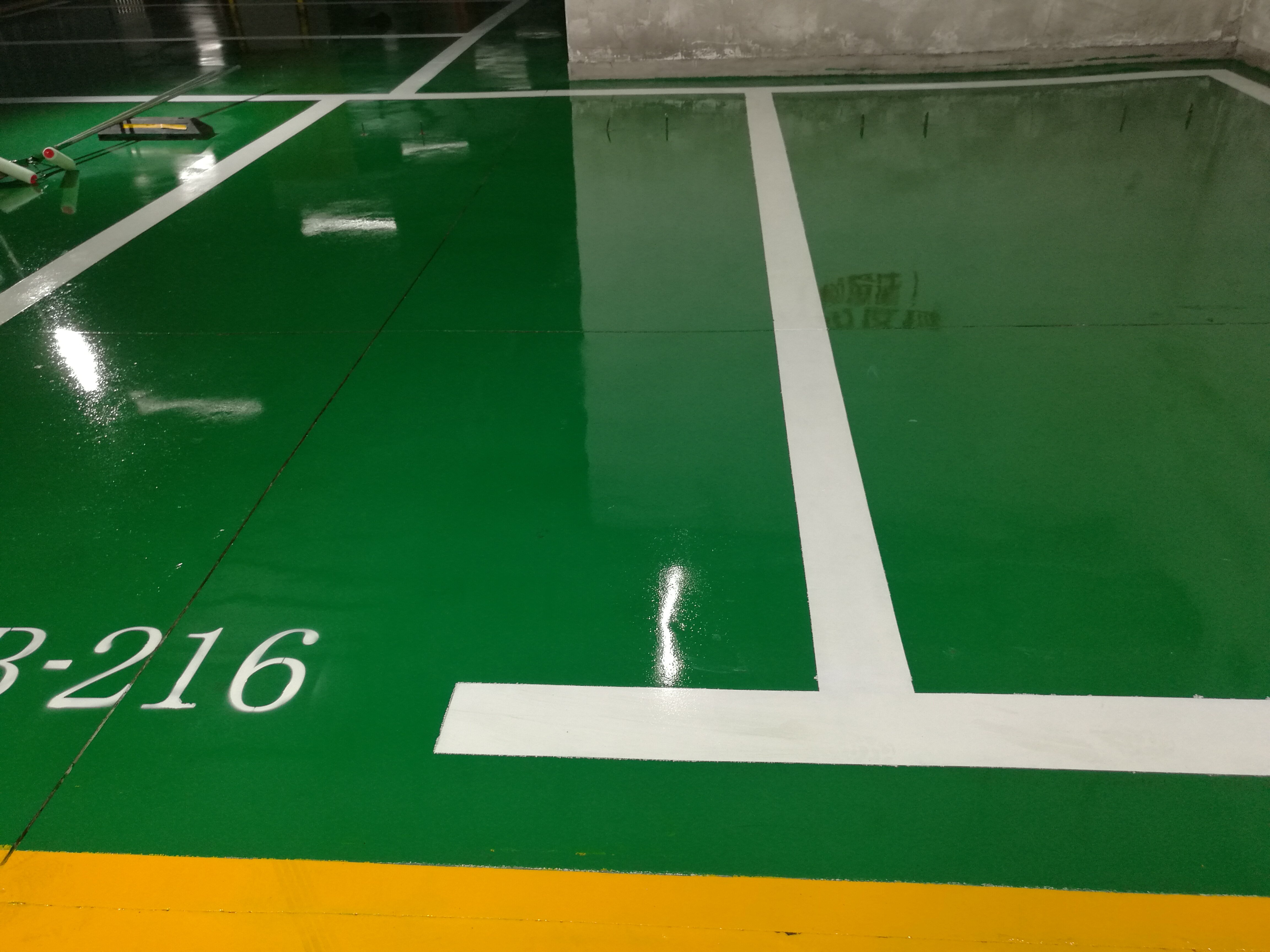
Summary: Many flooring projects focus heavily on reviewing the environmental indicators of epoxy colored paints but rarely pay specific attention to flooring coloring materials. CS-2000 Floor Colorant has undergone hazardous substance testing in accordance with the latest national standard GB 30981.1-2025. The measured VOC level is 464g/L, and multiple hazardous substances such as benzene series, formaldehyde, and heavy metals are far below the national standard limits, providing a solid environmental defense for indoor flooring projects.
Floor Coloring: Eco-Friendliness Can't Be Judged by Topcoat Alone | Understanding VOC Testing for CS-2000 Pigment
Summary: Many flooring projects focus heavily on reviewing the environmental indicators of epoxy colored paints but rarely pay specific attention to flooring coloring materials. CS-2000 Floor Colorant has undergone hazardous substance testing in accordance with the latest national standard GB 30981.1-2025. The measured VOC level is 464g/L, and multiple hazardous substances such as benzene series, formaldehyde, and heavy metals are far below the national standard limits, providing a solid environmental defense for indoor flooring projects.
Don't overlook the "invisible variable" of coloring materials in eco-friendly flooring.
In colored flooring projects, epoxy color paint is a well-known traditional solution. However, beyond this...Independent floor coloring materials are also the mainstream approach for achieving color effects on floor surfaces.。
Many owners and general contractors focus solely on test reports for traditional epoxy colored coatings when reviewing materials, often overlooking the environmental attributes of the colorants themselves. This isn't just a theoretical gap—it's a real-world issue on job sites. In one project, the topcoat had complete certification and passed all approvals without issue. However, after completion, indoor air quality testing failed. The root cause wasn't the topcoat but the colorant: high VOC levels continued to off-gas after application, causing indoor air pollution to exceed limits. While the topcoat passed inspection, the color layer caused the failure, leading to rework costs far exceeding the price difference between materials.
High VOC levels in coloring materials create real-world challenges that directly hit three key pain points in project implementation:
First, whether workers are willing to work.In enclosed facilities and underground parking garages, limited ventilation means high VOC levels cause strong odors, leading to poor worker experience. This has resulted in resistance to construction, demands for additional subsidies, and even work stoppages, directly delaying project schedules.
Second, will it pass acceptance?Engineering document submissions are now stricter, requiring full test reports for colored surface materials. If VOC levels in coloring agents exceed limits, it's not just a hurdle during document review; failing indoor environmental testing after completion leads to costly rework and rectification.
Third, whether we can secure high-quality projects.Public buildings, commercial spaces, and high-end industrial facilities require clients to treat environmental compliance as a mandatory threshold. If pigment materials fail to meet environmental standards, no amount of superior craftsmanship will pass the qualification review.
Current Industry Landscape: Most colored flooring solutions on the market rely on solvent-based epoxy color paints. According to national standards, the VOC limit for solvent-based floor color paints is ≤500g/L. In practice, many similar flooring coloring products and standard epoxy color paints have VOC levels that approach or even exceed this regulatory cap. Some low-end products are non-compliant, creating environmental risks for projects.
Therefore, the VOC content of floor coloring materials themselves is a critical evaluation dimension that cannot be overlooked during engineering selection.
CS-2000 Floor Coating | GB 30981.1-2025 Certified Testing
CS-2000 flooring stain sample submitted to Foshan Quality, Metrology and Supervision Inspection Center in accordance withGB 30981.1‑2025 "Limit of Harmful Substances in Coatings Part 1: Architectural Coatings", referring to the requirements for solvent-based floor color paints.Perform full hazardous substance testing.
✅ VOC Actual Test:464 g/LThe national standard limit for solvent-based floor color paint is ≤500 g/L. The measured value of CS‑2000 is below the national standard limit.
This isn't about "how good-looking this number is," but rather a selection criterion:The VOC content of the coating material must be at or below national standards, supported by a complete third-party test report. Relying solely on topcoat data is insufficient.The data for CS-2000 can serve as an example of this standard.
Outstanding performance across multiple harmful substances beyond VOCs:
Formaldehyde < 10mg/kg, well below the 500mg/kg limit;
Total benzene, toluene, and xylene (including ethylbenzene) < 0.01%; extremely low VOC content reduces construction odor.
Phthalates, Polycyclic Aromatic HydrocarbonsNot DetectedPhthalates are plasticizers that can slowly release indoors if they exceed limits, potentially affecting the human endocrine system over time. Polycyclic aromatic hydrocarbons (PAHs) are organic compounds with a higher cancer risk. "Not detected" for both indicates no hidden release risk during use.
Lead, cadmium, chromium, and mercury levels are all below 5mg/kg, ensuring minimal heavy metal residue. Once heavy metals exceed limits, they do not dissipate over time; instead, they continuously accumulate in indoor environments, posing greater risks to children and pregnant women.
Suitable project scenarios
▪ Factory and workshop indoor floor coloring projects ▪ Underground garage floor color-change projects ▪ Public and commercial space flooring projects ▪ Flooring projects requiring hazardous substance test data for permit submission
Final Thoughts
The environmental friendliness of colored flooring depends on the comprehensive performance of the final surface layer. However, "comprehensive" means every layer must have verifiable test data.
For colored flooring selection, the environmental compliance checklist must include at least two reports: one for the topcoat and one for the coloring material. Both must pass to complete the process. Relying solely on the topcoat without verifying the color layer is an incomplete environmental review.
CS-2000 Floor Stain: Complies with the 2025 edition of China's National Standard for New Building Coatings. VOCs and harmful substances meet all regulatory limits, offering a compliant coloring solution for flooring projects.